

 Image 1 of 1
What It Is
Glutathione is a tripeptide composed of three amino acids: glutamine, cysteine, and glycine. It is often called the "master antioxidant" because it is the most abundant antioxidant produced by your body and plays a central role in protecting cells from oxidative damage.
Your body naturally synthesizes glutathione in the liver, and it is present in virtually every cell. It serves as the primary defense against free radicals, supports detoxification pathways, helps recycle other antioxidants like vitamins C and E, and is essential for immune function and cellular repair.
Glutathione levels decline with age, chronic stress, illness, environmental toxin exposure, and poor nutrition. This decline is associated with increased oxidative stress and has been linked to numerous health conditions including neurodegenerative diseases, liver disease, cardiovascular disease, and accelerated aging.
While oral glutathione supplements exist, they have poor bioavailability due to breakdown in the digestive system. Injectable glutathione bypasses the gut, delivering the active form directly into the bloodstream for significantly better absorption and utilization.
Injectable glutathione is used for general antioxidant support, detoxification protocols, skin health, immune enhancement, and as part of treatment for various chronic conditions. It is available through compounding pharmacies and as a research compound.
How It Works
Glutathione functions through several interconnected mechanisms:
Antioxidant Defense
Glutathione neutralizes free radicals and reactive oxygen species (ROS) by donating electrons. When glutathione encounters a free radical, it transfers an electron to stabilize the reactive molecule, preventing it from damaging cells, proteins, and DNA. In this process, glutathione becomes oxidized (GSSG) but can be recycled back to its active reduced form (GSH) by the enzyme glutathione reductase.
Detoxification
The liver uses glutathione to conjugate (attach to) toxins, heavy metals, and metabolic waste products. This conjugation makes these substances water-soluble so they can be excreted through bile and urine. This is called Phase II detoxification, and glutathione is essential for processing everything from medications to environmental pollutants.
Antioxidant Recycling
Glutathione regenerates other antioxidants after they have neutralized free radicals. It recycles vitamin C and vitamin E back to their active forms, extending their protective capacity. This recycling function makes glutathione central to the entire antioxidant network.
Immune Function
White blood cells require glutathione to function properly. It supports the proliferation and activity of T cells and natural killer cells. Adequate glutathione levels are essential for mounting effective immune responses to pathogens.
Cellular Protection
Glutathione protects mitochondria from oxidative damage, maintaining cellular energy production. It also helps maintain proper protein structure and supports DNA synthesis and repair.
The sulfur-containing thiol group in cysteine gives glutathione its unique ability to bind toxins and neutralize free radicals. This is why the cysteine component is considered rate-limiting for glutathione synthesis.
Benefits
Antioxidant Protection
The primary benefit is protection against oxidative stress. Glutathione neutralizes free radicals before they can damage cells, reducing the cumulative oxidative burden that contributes to aging and disease.
Detoxification Support
Glutathione is essential for liver detoxification pathways. Supplementation supports the body's ability to process and eliminate toxins, medications, heavy metals, and metabolic waste products.
Immune Enhancement
Adequate glutathione levels support optimal immune function. Studies show glutathione supplementation can improve immune cell activity and help the body respond to infections.
Skin Health
Glutathione has gained popularity for skin brightening effects. By inhibiting tyrosinase (the enzyme involved in melanin production), it can reduce hyperpigmentation and improve skin tone. This is a cosmetic side effect that some find desirable.
Neurological Support
The brain is highly susceptible to oxidative damage. Glutathione can cross the blood-brain barrier and has been studied for potential protective effects in neurodegenerative conditions including Parkinson's and Alzheimer's disease.
Mitochondrial Health
By protecting mitochondria from oxidative damage, glutathione supports cellular energy production. This can translate to improved energy levels and reduced fatigue.
Chronic Disease Support
Glutathione depletion is observed in many chronic conditions. Supplementation may provide supportive benefit in autoimmune conditions, chronic infections, liver disease, and inflammatory conditions.
What the Science Shows
Glutathione has extensive research supporting its fundamental role in human physiology, though clinical trials on injectable supplementation are more limited.
Parkinson's Disease
A pilot study evaluated IV glutathione (1400 mg three times weekly for four weeks) in Parkinson's patients. Some participants showed temporary improvement in symptoms, though effects did not persist long-term. Research continues in this area.
Oxidative Stress Reduction
Multiple studies confirm that parenteral (injectable) glutathione increases circulating glutathione levels more effectively than oral supplementation. A 2015 study showed that liposomal and IV glutathione significantly elevated blood glutathione compared to placebo.
Liver Support
Research demonstrates glutathione's protective effects on the liver. It is used clinically to support liver function during chemotherapy and in treating acetaminophen overdose.
Skin Lightening
Several studies have documented glutathione's skin lightening effects when taken systemically. A randomized controlled trial showed that oral glutathione (500 mg daily) reduced melanin index in participants over 12 weeks.
Limitations
• Large-scale randomized controlled trials on injectable glutathione are limited
• The FDA has raised concerns about compounded glutathione products
• Optimal dosing and duration are not firmly established
• Many claims are based on the compound's known biochemistry rather than clinical trials
Dosing Protocol
Glutathione dosing varies based on the route of administration and therapeutic goals.
Understanding the Dose Context
Injectable glutathione delivers significantly more active compound than oral supplementation due to bypassing digestive breakdown. However, glutathione has a short half-life in circulation (minutes to hours), which is why frequent dosing or higher single doses are used.
Subcutaneous Protocol
Protocol Dose Frequency Duration
Conservative 100 mg 3 times weekly 8 to 12 weeks
Standard 200 mg 3 times weekly 8 to 12 weeks
Intensive 200 mg Daily or 5x weekly 4 to 8 weeks
Weekly totals typically range from 300 to 1000 mg for subcutaneous protocols.
Intramuscular Protocol
Protocol Dose Frequency Duration
Starting 200 mg Weekly 4 weeks
Maintenance 400 to 600 mg Weekly Ongoing
Maximum 800 to 1000 mg Weekly As needed
Start low and increase every 4 weeks based on tolerance and response.
Titration Approach
Many practitioners recommend starting at lower doses (100 to 200 mg weekly) and gradually increasing to assess tolerance. Some individuals experience detox reactions at higher doses, especially if toxic burden is high.
Draw Volumes by Vial Size
600 mg Vial (3 mL reconstitution = 200 mg/mL)
Dose Volume Units on Syringe
────────────────────────────────────────────
100 mg 0.50 mL 50 units
200 mg 1.00 mL 100 units
300 mg 1.50 mL 150 units (or 2 injections)
600 mg 3.00 mL Full vial
Note: Zesty Rat provides 600 mg vials. Larger volumes may require splitting into multiple injection sites.
At 200 mg three times weekly (600 mg/week), one 600 mg vial provides one week of dosing.
Reconstitution Instructions
Glutathione from Zesty Rat may come in ready-to-use liquid form or lyophilized powder.
For Lyophilized (Powder) Form:
1. Remove the plastic cap from the vial and wipe the rubber stopper with an alcohol swab
2. Draw 3 mL of bacteriostatic water into a sterile syringe
3. Insert the needle through the rubber stopper at an angle
4. Direct the stream of water down the inside wall of the vial
5. Allow the powder to dissolve without aggressive shaking
6. Gently swirl if needed until solution is clear to pale yellow
7. Label the vial with date and concentration (200 mg/mL)
For Ready-to-Use Liquid:
Simply draw the required volume from the vial using sterile technique. Refrigerate after opening.
Glutathione solutions should be clear to pale yellow. Discard if discolored or cloudy.
Side Effects and Cautions
Common Side Effects
• Injection site pain, redness, or irritation
• Mild fatigue (sometimes occurs initially)
• Skin lightening (may be unwanted by some)
• Temporary nausea
Detoxification Reactions
Some individuals experience temporary worsening of symptoms when starting glutathione, particularly if toxic burden is high. This may include headaches, fatigue, or flu-like symptoms as toxins are mobilized. Starting with lower doses and titrating up can minimize this.
Serious Concerns
• Potential for kidney or liver toxicity at very high doses (rare)
• May lower zinc levels with chronic use (consider zinc supplementation)
• Not recommended for individuals with asthma (may worsen symptoms)
Drug Interactions
Glutathione may affect the metabolism of certain medications. Consult with a healthcare provider if taking prescription drugs.
Who Should Avoid or Use With Care
Should Avoid:
• Individuals with asthma (glutathione may worsen symptoms)
• Pregnant or breastfeeding women (insufficient safety data)
• Anyone with known allergy to glutathione components
Use With Care:
• People with high toxic burden (start low, titrate slowly)
• Those with kidney or liver impairment
• Individuals taking medications metabolized by the liver
• Anyone undergoing chemotherapy (consult oncologist)
Success Tips
Understand the Role
Think of glutathione as the exhaust system for your cells. It processes and eliminates waste products. If your toxic burden is high (mold exposure, heavy metals, chronic infections), you may need more support getting the toxins out once they are mobilized. Consider combining glutathione with binders and liver support.
Support Production
Your body makes glutathione from amino acids. Ensure adequate protein intake and consider supplements that support glutathione synthesis:
• N-acetyl cysteine (NAC) provides the rate-limiting cysteine
• Glycine
• Alpha lipoic acid (helps recycle glutathione)
• Selenium (required for glutathione enzymes)
Pair with Mitochondrial Support
Glutathione works synergistically with NAD+ and other mitochondrial support compounds. If you are using mitochondrial peptides like SS-31 or MOTS-c, glutathione provides complementary antioxidant protection.
Foundation First
Sleep deprivation, chronic stress, and poor nutrition all deplete glutathione. No amount of supplementation compensates for ongoing depletion from lifestyle factors.
Injection Technique
1. Wash hands thoroughly with soap and water
2. Gather supplies: vial, alcohol swabs, syringe, sharps container
3. Clean the vial stopper with an alcohol swab and allow to air dry
4. Draw the calculated dose into a sterile syringe
5. Clean the injection site with an alcohol swab and allow to air dry
6. Pinch a fold of skin at the injection site
7. Insert the needle at a 45 to 90 degree angle into subcutaneous tissue
8. Do not aspirate for subcutaneous injections
9. Inject slowly and steadily
10. Withdraw the needle and apply light pressure if needed
11. Dispose of the syringe immediately in a sharps container
12. Rotate injection sites with each dose (abdomen, thighs, upper arms)
Glutathione can also be administered intramuscularly into the deltoid or gluteal muscle if preferred.
Storage and Handling
Lyophilized Powder:
• Store in freezer at minus 20 degrees Celsius
• Protect from light
• Stable for extended periods when frozen
After Reconstitution or Liquid Form:
• Refrigerate at 2 to 8 degrees Celsius
• Use within 28 days
• Do not freeze liquid glutathione
• Discard if solution becomes cloudy or discolored
Glutathione is relatively unstable once in solution. Use promptly and store properly to maintain potency.
Comparison to Similar Compounds
Compound Type Primary Function Route
────────────────────────────────────────────────────────────────────
Glutathione Tripeptide Master antioxidant SC/IM/IV
NAC Amino acid Glutathione precursor Oral
Alpha Lipoic Antioxidant Recycles glutathione Oral/IV
Vitamin C Vitamin Antioxidant Oral/IV
NAD+ Coenzyme Energy/repair SC/IV
Glutathione and NAC are complementary. NAC provides the raw material (cysteine) for glutathione synthesis, while injectable glutathione provides the active form directly. Many protocols use both.
Legal Status
United States: Glutathione is not FDA approved for any specific indication. It is available through compounding pharmacies with a prescription and as a research compound. The FDA has raised concerns about some compounded glutathione products.
International: Generally available for research purposes or through compounding.
Frequently Asked Questions
Why inject glutathione instead of taking it orally?
Oral glutathione has poor bioavailability because it is largely broken down by digestive enzymes before absorption. Injectable glutathione bypasses the digestive system, delivering the active reduced form directly into circulation. Studies show injectable routes achieve significantly higher blood levels.
Will glutathione lighten my skin?
Glutathione inhibits tyrosinase, the enzyme involved in melanin production. Many people experience some degree of skin lightening with regular use. This effect is dose-dependent and reversible if you stop using it. Some people use glutathione specifically for this purpose; others consider it an unwanted side effect.
Can I take NAC instead of injectable glutathione?
NAC provides cysteine, the rate-limiting amino acid for glutathione synthesis. It can effectively raise glutathione levels when your body's synthetic capacity is intact. Injectable glutathione provides the active form directly, which may be more effective when demand is high or synthetic capacity is compromised. Many people use both.
How do I know if I need glutathione?
Signs of glutathione depletion may include fatigue, frequent illness, brain fog, slow recovery from exercise, and sensitivity to environmental chemicals. Lab testing (glutathione levels, oxidative stress markers) can provide objective data. Anyone over 40, dealing with chronic stress or illness, or exposed to environmental toxins may benefit.
Can I use glutathione long term?
Many people use glutathione ongoing for general antioxidant support. Consider cycling (8 to 12 weeks on, 4 weeks off) and supporting natural production through nutrition and precursor supplementation. Monitor zinc levels if using long term.
Product Source
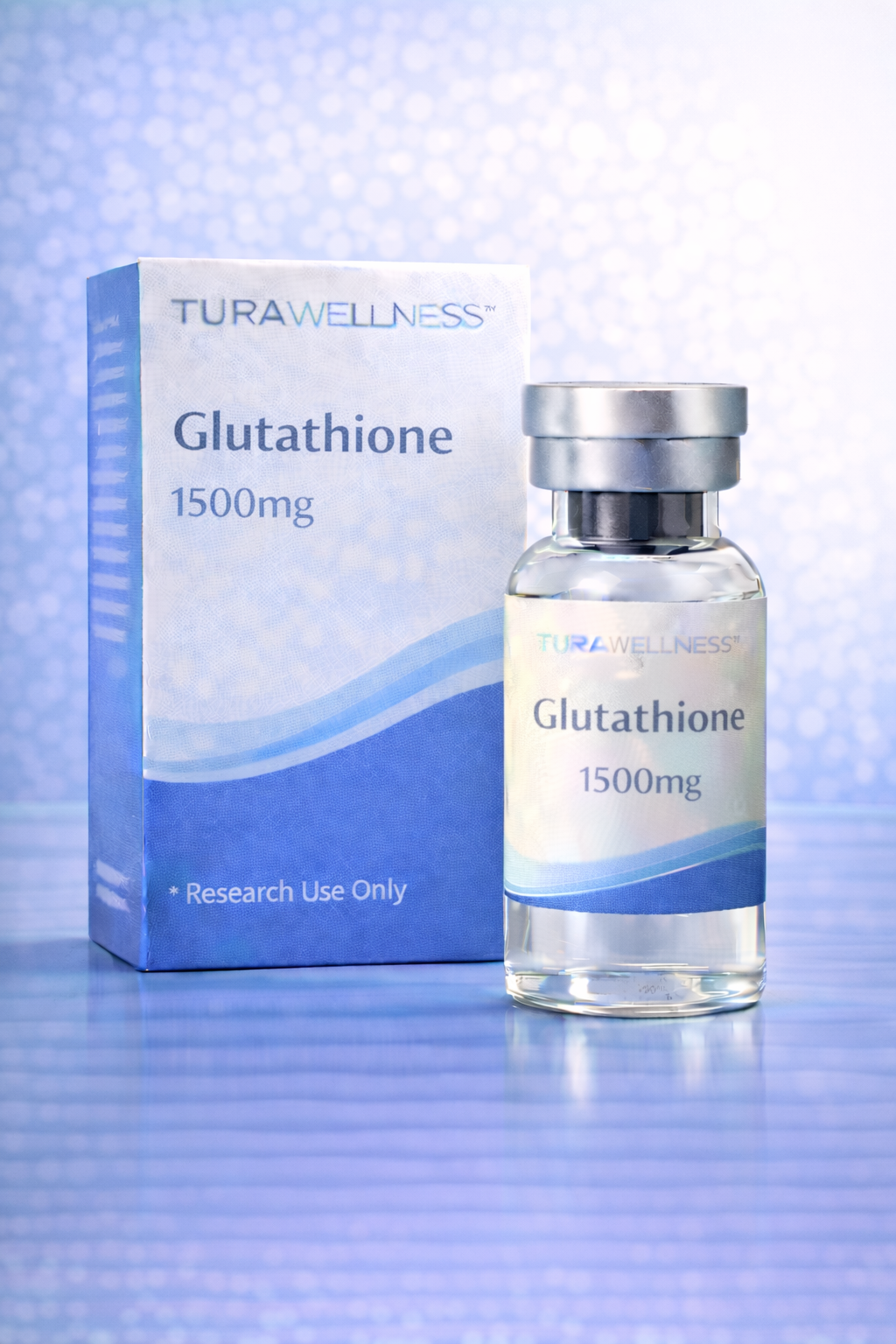
Research Grade Glutathione available at TuraWellness.com
Disclaimer
This guide provides educational information about glutathione based on published scientific literature. This is for educational purposes only and does not constitute medical advice, diagnosis, or treatment. Glutathione is not FDA approved for any specific condition. Always consult qualified healthcare professionals before using any compound or medication.
References
1. Wu G, Fang YZ, Yang S, Lupton JR, Turner ND. Glutathione metabolism and its implications for health. Journal of Nutrition. 2004;134(3):489-492.
2. Richie JP, Nichenametla S, Neiber W, et al. Randomized controlled trial of oral glutathione supplementation on body stores of glutathione. European Journal of Nutrition. 2015;54(2):251-263.
3. Sechi G, Deledda MG, Bua G, et al. Reduced intravenous glutathione in the treatment of early Parkinson's disease. Progress in Neuro-Psychopharmacology and Biological Psychiatry. 1996;20(7):1159-1170.
4. Pizzorno J. Glutathione! Integrative Medicine: A Clinician's Journal. 2014;13(1):8-12.
5. Sinha R, Sinha I, Calcagnotto A, et al. Oral supplementation with liposomal glutathione elevates body stores of glutathione and markers of immune function. European Journal of Clinical Nutrition. 2018;72(1):105-111.
6. Weschawalit S, Thongthip S, Phutrakool P, Asawanonda P. Glutathione and its antiaging and antimelanogenic effects. Clinical, Cosmetic and Investigational Dermatology. 2017;10:147-153.