

 Image 1 of 1
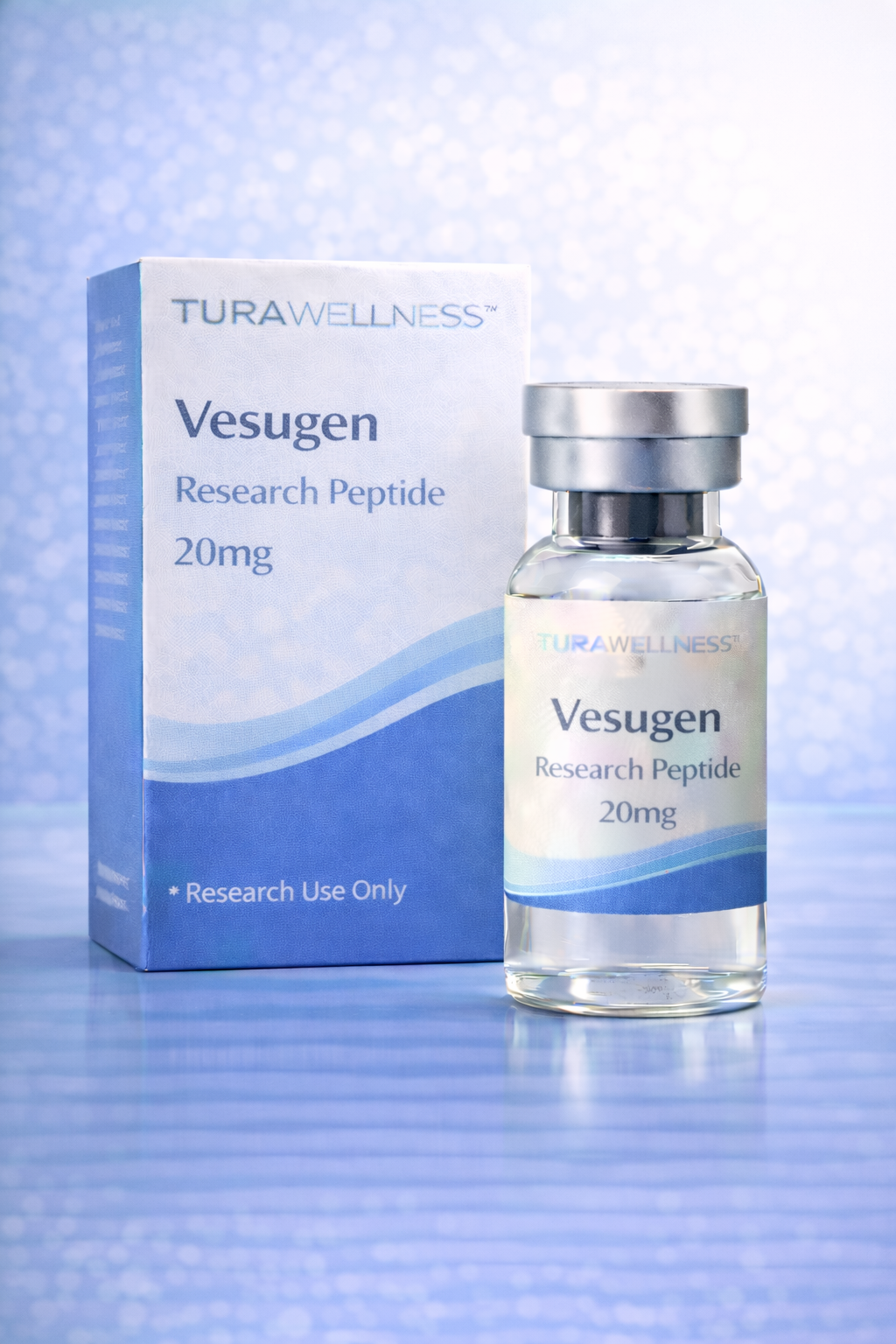
Vesugen (KED) Research Protocol
Overview
Vesugen (LysGluAsp, “KED”) is a synthetic tripeptide studied for its potential effects on vascular endothelial cells, including possible epigenetic modulation of Ki67 expression. Research applications include invitro, exvivo, and invivo experimental models.
Reconstitution Protocol
• Add 3.0 mL bacteriostatic water to a 20 mg lyophilized vial
o Produces ~6.67 mg/mL concentration
• Gently swirl — do not shake vigorously
• Allow full dissolution at room temperature
• Label vial with date/time of reconstitution
• Store reconstituted solution at 2–8 °C (refrigerated)
• Avoid freeze–thaw cycles to preserve peptide integrity
Experimental Dosing Ranges
These ranges are reported in researchoriented peptide references and are not medical dosing.
• 500–2000 mcg once daily for subcutaneous research models
• Gradual titration is commonly described in peptideresearch literature
• 1–2 mg is mentioned for injectable forms in experimental vascular studies
• Oral capsule models: 2 capsules/day for 10–30 days depending on study design
InVitro / ExVivo Research Applications
• Endothelial cell proliferation assays
• Gene expression studies (Ki67, epigenetic markers)
• Vascular tissue explant models
• Comparative studies with other bioregulators such as Ventfort
Storage & Stability
• Lyophilized peptide stored at −20 °C (longterm)
• Reconstituted peptide stored at 2–8 °C
• Protect from light
• Use within typical laboratory stability windows (varies by lab SOP)
Research Considerations & Limitations
• Not approved for human therapeutic use
• Purity and supplier variability may affect reproducibility
• Peptide degradation can occur with improper storage
• Batchtobatch QC is essential for consistent results
• Ethical and legal compliance required for all experimental models
Available at TuraWellness.com