

 Image 1 of 1
What It Is
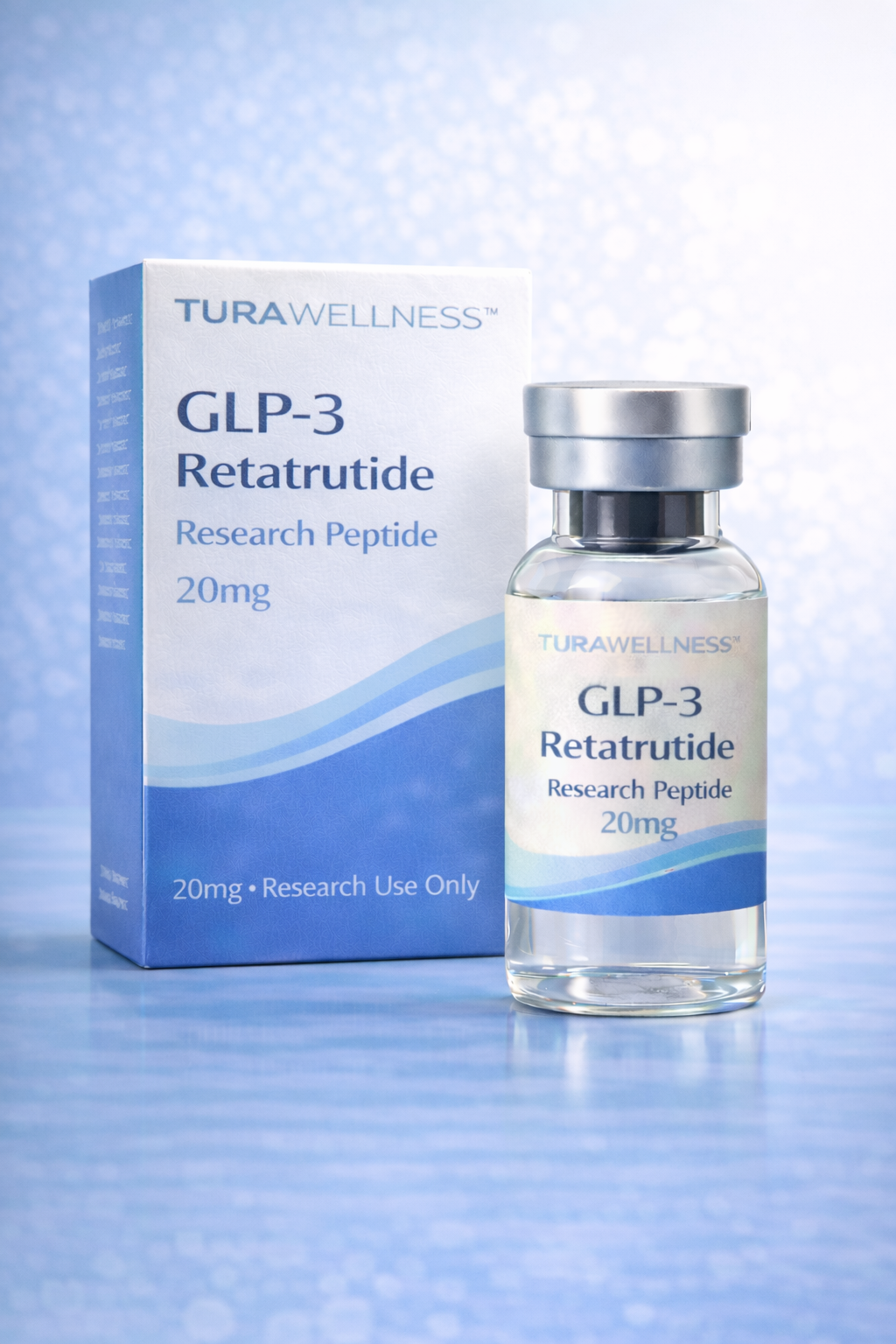
Retatrutide is a single peptide molecule engineered to stimulate three key metabolic hormone receptors:
● GIP receptor — enhances insulin secretion and metabolic regulation.
● GLP-1 receptor — reduces appetite, slows gastric emptying, and improves glucose control.
● Glucagon receptor — increases energy expenditure and fat oxidation.
This combination is intended to produce deeper weight-loss effects than single- or dual-agonist drugs like semaglutide (Ozempic/Wegovy) or tirzepatide (Mounjaro/Zepbound).
How It Works
Core Mechanism: Triple-Receptor Activation
Retatrutide (LY3437943) binds to and activates:
● GIP receptors — improves insulin sensitivity and metabolic flexibility; enhances the body’s ability to handle nutrients.
● GLP-1 receptors — suppresses appetite, slows gastric emptying, and improves glucose control.
● Glucagon receptors — increases energy expenditure and promotes fat oxidation.
Together, these pathways create a multi-pronged metabolic shift that reduces calorie intake andincreases calorie burn.
What Each Pathway Contributes
1. GLP-1: Appetite & Satiety Control
● Reduces hunger signals in the brain.
● Slows stomach emptying, helping you feel full longer.
● Improves insulin secretion in a glucose-dependent way.
2. GIP: Insulin Sensitivity & Fat Distribution
● Enhances insulin response to meals.
● May shift fat storage away from visceral depots.
● Works synergistically with GLP-1 to reduce food intake.
3. Glucagon: Energy Expenditure & Fat Burning
● Increases resting energy expenditure (thermogenesis).
● Promotes lipolysis and fat oxidation.
● Helps counterbalance the reduced metabolic rate that often accompanies weight loss.
How These Pathways Interact
Retatrutide’s design intentionally balances these three hormones:
● GLP-1 and GIP reduce appetite and improve glucose handling.
● Glucagon increases energy burn, preventing metabolic slowdown.
● The combination produces greater weight loss than GLP-1 or GIP/GLP-1 agonists alone.
Phase 2 trials showed up to 24.2% weight loss at 48 weeks, one of the highest reductions seen in any obesity drug to date.
Additional Physiological Effects
● Delayed gastric emptying, reducing post-meal glucose spikes.
● Improved liver fat metabolism, with early evidence of benefit in MASLD/MASH.
● Dose-dependent GI side effects, similar to other incretin drugs.
Why It’s Considered a “Next-Generation” Metabolic Drug
Retatrutide is the first medication to combine all three incretin-related pathways into one molecule. This allows it to:
● Reduce appetite
● Improve insulin sensitivity
● Increase energy expenditure
● Promote fat oxidation
● Improve metabolic markers across multiple systems
This multi-axis approach is why researchers describe it as potentially transformational in obesity and metabolic disease treatment.
Benefits
1. Exceptional Weight Loss
● Phase 3 TRIUMPH-4 participants lost up to 28.7% of body weight (≈71 lbs) at 68 weeks.
● Phase 2 trials showed up to 24.2% weight loss at 48 weeks. This is the highest weight reduction reported for any obesity medication to date.
2. Major Improvements in Knee Osteoarthritis Pain
● In TRIUMPH-4, retatrutide reduced WOMAC pain scores by up to 75.8%.
● More than 1 in 8 patients became completely pain-free by week 68. This is a unique benefit not seen with other incretin drugs.
3. Strong Metabolic Improvements
Phase 2 data show improvements in:
● Blood sugar control (HbA1c)
● Triglycerides and LDL cholesterol
● Inflammatory markers (hsCRP)
● Blood pressure (up to −14 mmHg systolic at high dose)
These changes suggest broad cardiometabolic protection.
4. Dramatic Reduction in Liver Fat
● Exploratory analysis showed up to an 86% reduction in liver fat at 24 weeks at higher doses. This positions retatrutide as a potential therapy for MASLD/MASH.
5. Increased Energy Expenditure
Because it activates the glucagon receptor, retatrutide:
● Raises resting energy expenditure
● Promotes fat oxidation
● Helps counteract metabolic slowdown during weight loss This is a key differentiator from semaglutide or tirzepatide.
6. Appetite Suppression and Satiety
Through GLP-1 and GIP pathways, retatrutide:
● Reduces hunger
● Slows gastric emptying
● Lowers overall caloric intake
7. Potential Benefits in Multiple Conditions Under Study
Retatrutide is being evaluated for:
● Type 2 diabetes
● Obstructive sleep apnea
● Chronic low back pain
● Cardiovascular and renal outcomes
● Knee osteoarthritis
● MASLD/MASH
What the Science Shows
Evidence base
● Main data source: Phase 2 randomized, placebo-controlled trial in adults with obesity/overweight, published in NEJM in 2023.
● Additional summaries and expert commentary confirm the magnitude of effect and dose–response pattern.
Weight-loss efficacy
● At the highest dose (12 mg weekly), participants lost 24.2% of body weight at 48 weekson average.
● Weight loss was dose-dependent (roughly −17.1%, −22.8%, −24.2% at 4, 8, 12 mg at 48 weeks).
● A very high proportion achieved large reductions:
o ≥15% weight loss in ~93% of people on 12 mg
o ≥20% weight loss in ~63% on 12 mg
This places retatrutide at or near the top of all obesity drugs studied so far in terms of absolute weight loss.
Metabolic and organ-level effects
● Glycemic control: In people with obesity and type 2 diabetes, retatrutide reduced both HbA1c and body weight significantly vs placebo.
● Lipids & blood pressure: Phase 2 data show improvements in triglycerides, LDL, and meaningful drops in systolic blood pressure (up to ~−14 mmHg at higher doses).
● Liver fat: Exploratory analyses report large reductions in liver fat content (up to ~80–86%) at higher doses, suggesting strong potential in MASLD/MASH.
Overall, the science points to a broad cardiometabolic benefit profile, not just weight loss.
Reconstitution
What You’ll Need
● 20 mg retatrutide vial (lyophilized)
● Bacteriostatic water (BAC water) – preferred for multi-dose use
● 1–3 mL syringe (for adding BAC water)
● Insulin syringes (for dosing)
● Alcohol prep pads
Add 2ml BAC water slowly down the side of the vial.
Dosing Protocol
Standard Conservative Titration (Most Tolerable)
Weeks
Weekly Dose
1st week
5units M W F
2nd week
10units M W F
3rd week
15units M W F
hold at 15 units
Notes:
● Many individuals experience strong appetite suppression by 2–4 mg.
● Clinical trial data has explored doses up to 12 mg weekly.
● Not everyone tolerates 8–12 mg.
Expected Effects by Dose Range
0.5–1 mg
● Mild appetite reduction
● Early satiety
● Minimal glucagon effect
2–4 mg
● Strong appetite suppression
● Noticeable fat loss
● Possible nausea if calories too low
6–8 mg
● Aggressive fat loss
● Increased thermogenesis
● Higher GI side-effect risk
10–12 mg
● Clinical trial–level dosing
● Significant weight reduction
● Highest side-effect burden
Precautions
• Nausea
• Delayed gastric emptying
• Reflux
• Constipation
• Elevated heart rate (glucagon effect)
• Hypoglycemia (if combined with insulin/other agents)
How to be Successful
Start Lower Than You Think
Most failures come from titrating too fast.
Best practice:
● 0.5 mg 1st week
● Only go up if needed
● Stay at the lowest effective dose
You do not get better fat loss by racing to 8–12 mg if you can’t eat, train, or recover.
Protein Is Non-Negotiable
Retatrutide suppresses appetite aggressively.
If protein drops, you lose lean mass.
Target:
● 0.7–1.0 g protein per lb of goal bodyweight
● Split across 3–4 smaller meals
If appetite is low:
● Lean meats
● Greek yogurt
● Protein shakes
● Bone broth + collagen
Lift Weights (Glucagon = Catabolic Risk)
The glucagon receptor activation increases energy expenditure but can increase muscle breakdown if protein and resistance training are low.
Minimum effective plan:
● 3–4 resistance sessions weekly
● Focus on compound lifts
● Keep strength stable or improving
If strength crashes, dose may be too high.
Manage GI Side Effects Proactively
Most common:
● Nausea
● Constipation
● Reflux
● Early fullness
Prevention strategy:
● Smaller meals
● Avoid high-fat + high-volume meals
● Hydrate aggressively
● Add electrolytes
● Magnesium citrate or glycinate at night (if constipation)
Do Not Undereat Severely
Retatrutide can make 800–1000 calories feel “easy.”
That will:
● Tank metabolism
● Increase fatigue
● Increase hair shedding
● Flatten hormones
Safer deficit:
● 300–700 calorie deficit
● Not starvation
Monitor These Metrics Weekly
● Morning bodyweight
● Waist measurement
● Resting heart rate (glucagon can raise it)
● Strength in 3 key lifts
● Energy levels
If resting HR increases >10 bpm persistently → reassess dose.
Cycle or Hold?
Many experienced users:
● Titrate to 2–6 mg
● Hold at effective dose
● Avoid pushing to 10–12 mg unless medically supervised
More is not better long term.
Who Struggles Most?
● People who chase appetite suppression instead of fat loss
● People who stop lifting
● People who jump doses every 2 weeks
● People who stack multiple incretins simultaneously
Mental Strategy
Retatrutide removes food noise.
Use that window to build:
● Consistent meal timing
● Portion awareness
● Training habit
● Sleep schedule
When you eventually taper, habits matter more than the drug.
Red Flags
Stop and reassess if you notice:
● Persistent vomiting
● Severe abdominal pain
● Sustained high heart rate
● Extreme fatigue
● Signs of gallbladder distress
The Bottom Line
Success with retatrutide is about:
Low dose + protein + resistance training + slow titration + metabolic monitoring.
FAQs
Mechanism: How is it different?
● Semaglutide → GLP-1 receptor agonist
● Tirzepatide → Dual GIP + GLP-1 receptor agonist
● Retatrutide → GLP-1 + GIP + glucagon receptor agonist
The glucagon receptor activity:
● Increases hepatic glucose output (mild)
● Increases energy expenditure
● Raises resting heart rate (dose-dependent)
● May enhance lipolysis
● Can increase catabolic signaling if nutrition is insufficient
This is why retatrutide often produces greater total weight loss in trials compared to dual agonists.
Typical Dosing Range
Clinical studies evaluated:
● 1 mg → 12 mg once weekly
Common effective range in practice:
● 2–6 mg weekly
Higher doses:
● Increase nausea incidence
● Increase resting HR
● Increase fatigue risk
● Increase lean mass loss risk if unmanaged
Onset Timeline
Effect
Typical Onset
Appetite suppression
3–7 days
Early weight drop (water + glycogen)
1–2 weeks
Visible fat loss
4+ weeks
Peak metabolic acceleration
8–12 weeks
Full physiologic adaptation
3–6 months
The early drop is often glycogen depletion, not pure fat.
Most Common Side Effects
● Nausea
● Constipation
● Reflux
● Early satiety
● Mild tachycardia
● Fatigue (especially with aggressive caloric restriction)
Severity strongly correlates with:
● Dose
● Speed of titration
● Meal size
● Fat intake
Does It Burn Muscle?
Not directly — but indirectly possible.
Risk factors:
● Protein <0.7 g/lb goal bodyweight
● No resistance training
● 800–1,000 kcal deficit
● High-dose exposure
Glucagon receptor activation increases metabolic output. Without anabolic stimulus, lean mass loss risk rises.
Mitigation:
● Lift 3–4x weekly
● High protein
● Moderate deficit
Heart Rate Effects
Average increase: 3–10 bpm
Concerning if:
● Sustained >10–15 bpm increase
● Palpitations
● Symptomatic tachycardia
Monitor:
● Weekly resting HR
● Blood pressure
Hypoglycemia Risk
Low when used alone.
Higher risk if combined with:
● Insulin
● Sulfonylureas
● Severe caloric restriction
The glucagon component generally protects somewhat against hypoglycemia compared to GLP-1 alone, but medication stacking changes risk profile.
Duration of Use
Long-term human data is still limited (investigational drug).
Common structured approach:
● Titrate to effective dose
● Maintain 3–6 months
● Reassess body composition, labs, HR
● Consider taper rather than abrupt stop
High-dose indefinite use should be medically supervised.
Stacking With Other Incretins
Not advised with:
● Semaglutide
● Tirzepatide
Mechanistic redundancy:
● Increased GI burden
● Elevated hypoglycemia risk
● Increased HR
There is no clear metabolic benefit to stacking.
Thyroid Risk
Like other GLP-1–based drugs:
Avoid if:
● Personal or family history of medullary thyroid carcinoma
● MEN2 syndrome
Rodent C-cell tumor findings led to this precaution.
What Happens When You Stop?
Common:
● Appetite rebound
● Glycogen + water regain
● Some fat regain if caloric discipline isn’t maintained
Best practice:
● Taper gradually
● Increase dietary structure before stopping
● Maintain resistance training
Who Should Avoid It?
● History of pancreatitis
● Severe gastroparesis
● Active gallbladder disease
● MEN2 / medullary thyroid carcinoma
● Uncontrolled tachyarrhythmia
Availability
Research grade Teriparatide is available at www.turawellness.com